
Year-Round Climate Control Designed to Perform When It Matters Most
Comfort inside a home or commercial space depends heavily on how well the HVAC system responds to changing conditions. Whether it’s the peak of summer heat or the chill of winter mornings, HVAC systems engineered for comfort, efficiency, and year-round control are designed to adapt smoothly without overworking. Instead of reacting too late or cycling too aggressively, these systems maintain balanced temperatures and steady airflow that make indoor environments feel natural and predictable rather than forced. Residents often contact Alpine HVAC to keep their heating and cooling systems running efficiently year-round.
True comfort goes beyond simply hitting a set temperature. Well-engineered HVAC systems focus on how air is delivered, filtered, and circulated throughout the space. Even distribution eliminates hot and cold spots, while controlled humidity helps the air feel fresher and easier to breathe. When systems are properly designed and calibrated, they operate quietly in the background, supporting daily life without constant adjustments or noticeable fluctuations. This level of control creates an environment where comfort feels effortless rather than mechanical.
Efficiency plays an equally important role in modern HVAC performance. Systems built with efficiency in mind use energy only when and where it is needed, reducing unnecessary strain and wasted output. Smart controls, responsive components, and optimized system sizing all contribute to smoother operation and lower energy consumption. Over time, this translates into more predictable utility costs and less wear on critical parts, helping the system maintain performance without constant repairs or adjustments.
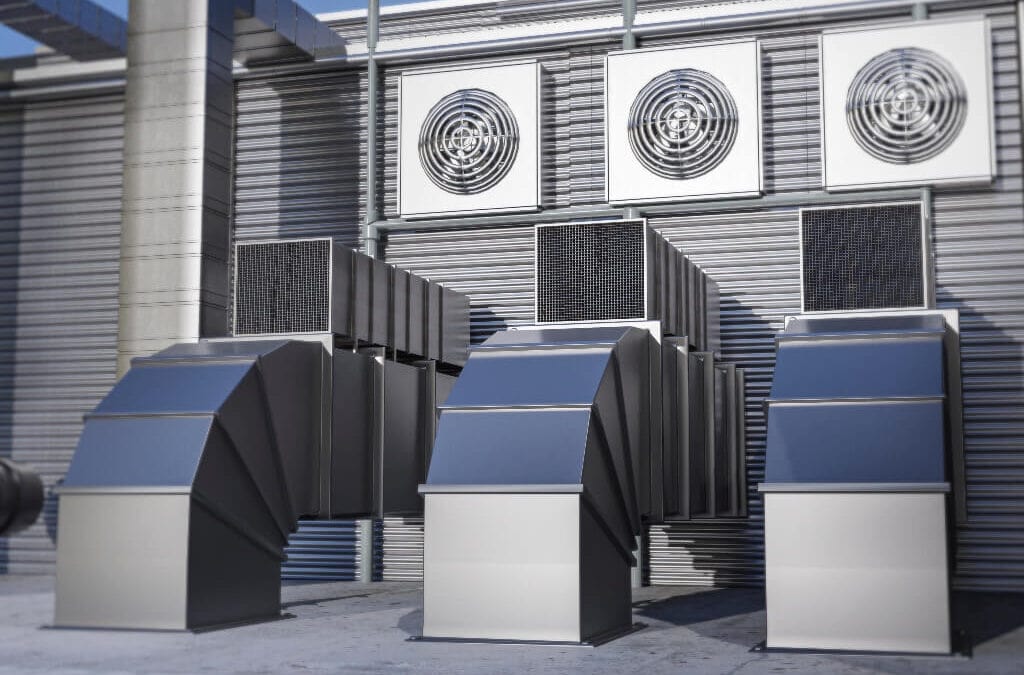
Year-round control is what ties comfort and efficiency together. HVAC systems must be flexible enough to handle seasonal transitions, sudden weather changes, and varying occupancy levels. A well-engineered system adjusts seamlessly, maintaining indoor stability even as outdoor conditions shift. This adaptability not only improves comfort but also protects the system itself, preventing the stress that often leads to premature breakdowns during extreme temperatures.
Reliability is another defining feature of thoughtfully engineered HVAC systems. When systems are designed for long-term operation, they are easier to maintain and less likely to experience unexpected failures. Routine maintenance and performance checks become more effective because the system is built to be monitored, adjusted, and optimized over time. This proactive approach keeps minor issues from escalating while extending the overall lifespan of the equipment.
HVAC systems engineered for comfort, efficiency, and year-round control do more than regulate temperature. They support healthier indoor air, consistent performance, and dependable operation across every season. By focusing on balanced design and intelligent operation, these systems turn climate control into a long-term investment in comfort, reliability, and peace of mind rather than a recurring source of frustration.
…