
How Moisture Problems Can Quietly Spread Throughout a Property
Bathrooms, basements, laundry rooms, and other damp areas inside a property are some of the most common places where mold begins to develop. These spaces naturally experience higher moisture levels because of steam, condensation, poor ventilation, or occasional water intrusion. While some mold problems are easy to spot, others remain hidden behind walls, beneath flooring, or inside ceilings for long periods before becoming noticeable. Recognizing the early signs of mold can help homeowners respond quickly and prevent more serious damage from developing over time. Homeowners dealing with moisture issues often search for Los Angeles Mold solutions and inspections.
One of the most common warning signs is a persistent musty odor that does not disappear with regular cleaning. Many people describe the smell as damp, earthy, or stale, especially in enclosed areas with limited airflow. Basements are particularly vulnerable because moisture can collect slowly over time through foundation cracks, humidity, or previous flooding. Bathrooms also create ideal conditions for mold growth due to constant steam from showers and poor ventilation that traps moisture on walls and ceilings. Even when visible mold is not immediately present, unusual odors often indicate that hidden moisture may already be affecting surrounding materials.
Visible discoloration on surfaces is another important sign to watch for. Mold can appear in many forms, including black, green, brown, white, or gray patches on walls, grout lines, ceilings, wood, or around vents. In bathrooms, it commonly develops near tubs, sinks, tile grout, and exhaust fans where moisture frequently collects. In basements, homeowners may notice staining along walls, around windows, or near stored items. Some people mistake these spots for ordinary dirt or water stains, allowing the issue to continue spreading unnoticed.
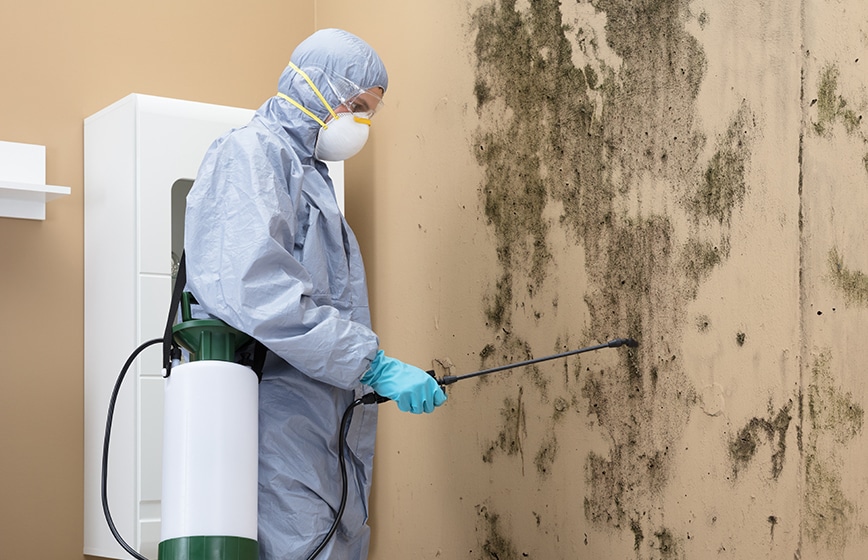
Changes in building materials may also suggest hidden moisture problems. Peeling paint, bubbling drywall, warped wood, soft surfaces, or cracking caulk can all indicate excess moisture trapped behind walls or beneath flooring. These conditions often appear gradually, which is why homeowners sometimes overlook them until the damage becomes more severe. Areas that consistently feel damp or humid may also point to ventilation or water intrusion issues contributing to mold growth.
Another challenge with mold is that it does not always stay confined to one location. Airflow from heating and cooling systems may carry spores into other rooms, allowing contamination to spread throughout the property over time. This is why small mold problems in bathrooms or basements should never be ignored, even if the affected area appears minor. Moisture that remains untreated can eventually damage insulation, flooring, drywall, and wooden structures while creating more expensive repair situations later.
Professional mold inspections help identify both visible and hidden problems within damp areas of the home. Specialists use moisture detection equipment, thermal imaging, and air quality testing to locate affected areas that are difficult to see during a normal inspection. This process helps homeowners understand the extent of the issue and determine whether repairs or remediation are necessary.
Damp spaces naturally create conditions where mold can thrive, especially when ventilation or drainage problems are present. Recognizing early warning signs and addressing moisture quickly can help protect the property from larger structural damage while creating a cleaner and more comfortable indoor environment.